AI interviewers may be weakening your top talent pipeline.
Top talent comes with aspirations.
Candidates walk into interviews hoping to tell their story, show their attitude, and create trust with the person who may one day manage them.
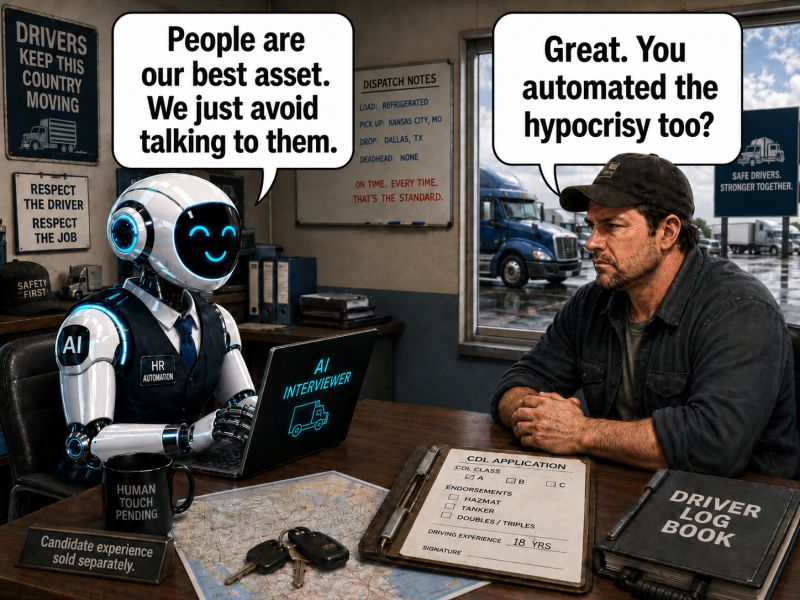
Then they meet a bot.
Even when the technology is efficient, the candidate may receive a very different message:
This relationship has not started with human attention.
And employment is reciprocal.
When candidates feel processed instead of understood, they often respond the same way. They disengage more quickly, accept offers with less commitment, and remain open to leaving when something slightly better appears.
In my past 16 years of managing people, I have learned that two conversations deeply affect a new hire’s performance:
The interview process.
And the Day 1 onboarding conversation.
During the interview process, you give them hope.
On Day 1, you align value.
When either moment becomes too automated, authenticity can disappear, and the damage often shows up later.
Some companies believe AI interviewers improve hiring ROI by reducing cost. I understand the logic, but I believe the long-term cost can be higher.
When you commoditize your talent pool, you may pay more later through attrition, weaker service differentiation, lower trust, and a damaged employer brand.
So, can AI add value to recruiting?
Definitely.
At Talroo, we use AI every day to connect and build clarity. But we use it to protect the relationship, not replace it.
AI should help candidates understand the role.
AI should help employers identify fit.
AI should reduce confusion, not remove human judgment.
Recruiting technology should not remove humanity from hiring.
It should protect it.
AI as an assistive tool can be valuable.
AI as a substitute for recruiters is dangerous, because recruiting is not just screening.
It is the beginning of trust.
#TalentAcquisition #HumanResources #Talroo #HRTech #Leadership

Bruce Ge
Founder & CEO
I'm building Talroo with an exceptional team, focused on precision, innovation, and long-term impact in the hiring space.